Human-centred generative AI framework for cultural industries' digital transition.
About HAMLET project
HAMLET is a new European research and innovation project (Horizon Heritage, 2025–2027) in which ICK is a partner. The project aims to make generative AI accessible to everyone working in the cultural and creative sectors. Whether artists, designers, game developers, or dance and theatre companies, HAMLET seeks to use AI to enrich creative processes, foster collaboration, and accelerate digital innovation within the cultural field.
At the heart of the project is the HAMLET Collaborative Community Hub – a digital co-working space where creators, researchers, and developers from different backgrounds come together. Here, they can exchange ideas, test AI tools, and co-develop new applications. The hub includes technologies for generating 3D assets, adaptive storytelling, dance motion analysis and generation, music-to-movement translation, automated video editing, and audience engagement analysis.
A key objective of HAMLET is to lower the barriers to using AI. This is done by developing accessible user interfaces, encouraging cross-sector collaboration, and creating fair investment and revenue-sharing models around AI. The project also addresses ethical questions related to AI and explores sustainable ways of integrating the technology into the cultural sector.
The HAMLET consortium brings together twelve organizations from six countries (Austria, Cyprus, Germany, Greece, the United Kingdom, and the Netherlands). It includes a diverse mix of tech experts, dance and theatre companies, arts education institutions, gaming studios, and research organizations.
ICK's contribution
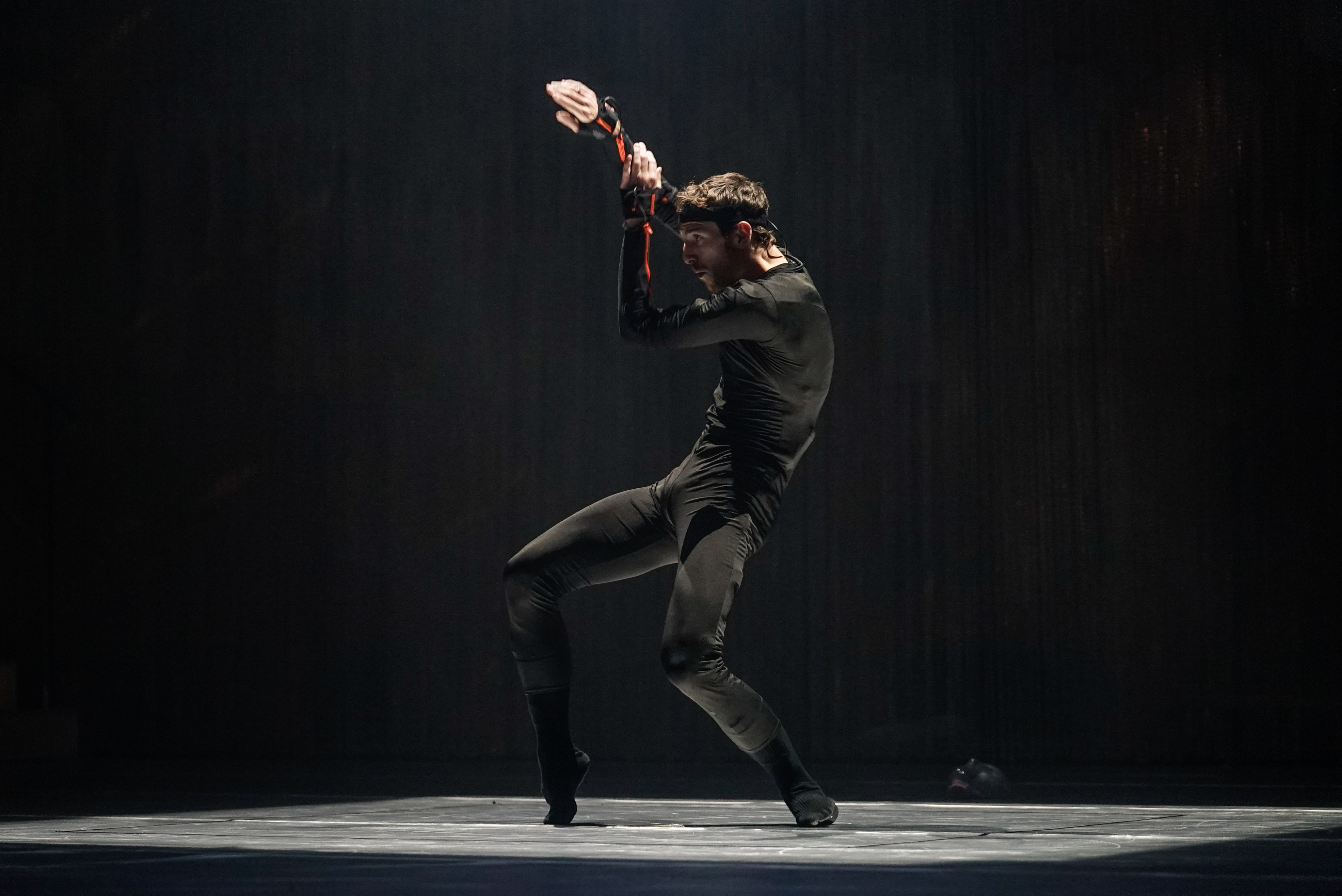
Within HAMLET, ICK focuses on testing, evaluating, and co-developing AI tools from a choreographic perspective. This involves two specific components: the Dance Style Analysis and Generation Enabler and the Music-to-Movement Translation Enabler for Dance. ICK explores how these technologies can be applied in the dance creation process and how they can support dancers’ intuitive bodily awareness.
This work takes shape in Pilot 3: Archetype Alchemy, which investigates the relationship between AI and the pre-choreographic elements – a concept developed by ICK that refers to the fundamental building blocks of dance creation, such as intention, direction, tension, and timing. These elements are the starting point for choreographic thought and action, before any fixed structure or form emerges.